

Choosing the perfect travel backpack is crucial for comfort, convenience, and practicality. Whether you’re going on a short weekend getaway, a hiking expedition, or a multi-week international trip, your backpack will be your constant companion. Here’s an ultimate guide to help you pick the right one:
1. Capacity (Size)
The size of the backpack determines how much you can pack. Travel backpacks typically come in these sizes:
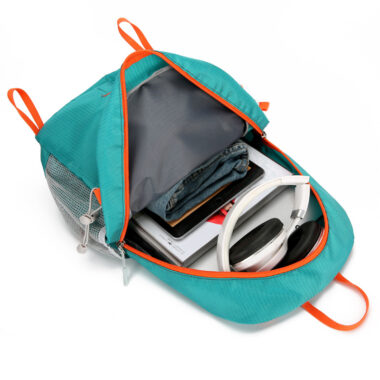
- 20-30L: Ideal for day trips or short weekend getaways. It fits a few clothes, snacks, and essentials.
- 30-50L: Perfect for a week-long trip or longer, offering enough room for clothes, toiletries, and a few gadgets.
- 50-70L: Suitable for long-term travelers or those going on extended hiking trips.
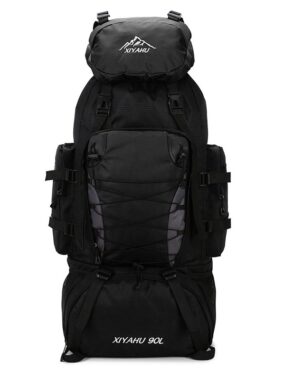
- 70L+: Ideal for heavy-duty travelers or expeditions. Typically larger and can carry a lot of gear.
2. Comfort & Fit
The right fit is key to your comfort. A poorly fitted backpack can lead to discomfort or even injury. Look for these features:
- Adjustable Straps: Ensure that shoulder straps, chest straps, and hip belts are adjustable to distribute weight evenly.
- Padded Straps: These reduce pressure on your shoulders and hips.
- Ventilation: Look for a back panel with breathable mesh to minimize sweat and discomfort.
3. Material & Durability
The material should be strong enough to withstand the rigors of travel. Common materials include:
- Nylon: Lightweight, durable, and water-resistant.
- Ripstop Fabric: Extra durable and tear-resistant, perfect for rugged adventures.
- Polyester: Durable and often water-resistant, but slightly less sturdy than nylon.
Look for weather-resistant coatings (like DWR) to keep your gear dry in rain.
4. Compartments & Organization
The more compartments, the easier it is to organize your belongings. A good travel backpack should have:
- Main Compartment: A large space for clothes and bulkier items.
- Laptop Sleeve: A dedicated compartment for electronics (15-17 inches).
- Zippered Pockets: For smaller items like chargers, keys, and toiletries.
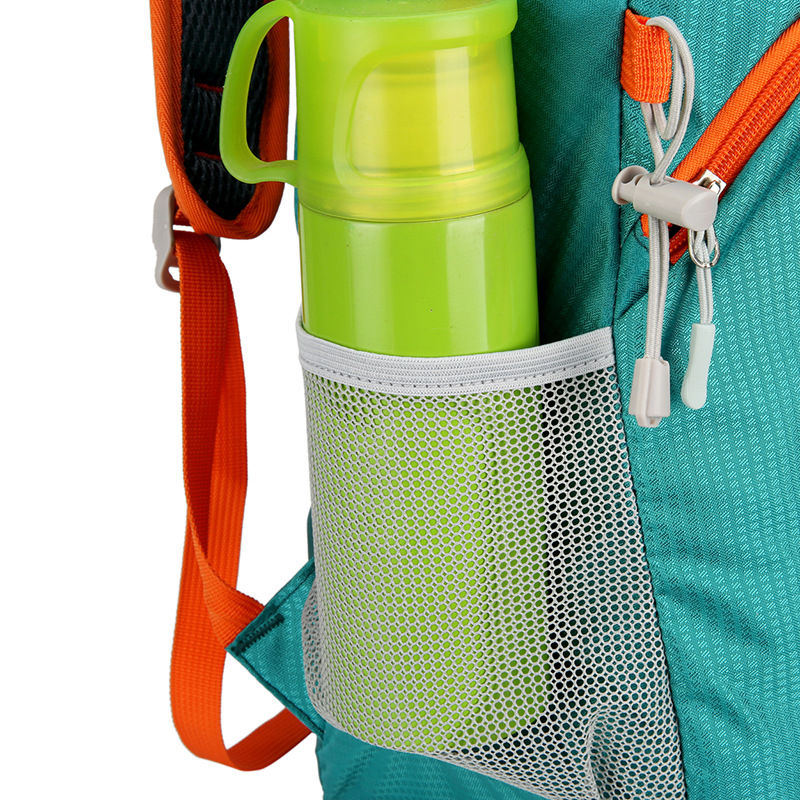
- Quick-Access Pockets: For easy access to things like your passport, wallet, or water bottle.
5. Security Features
When traveling through busy cities or unfamiliar regions, it’s important to keep your valuables safe. Look for:
- Lockable Zippers: Helps prevent pickpocketing.
- Hidden Pockets: For passports, money, and valuables.
- RFID Protection: Prevents hackers from stealing your card info.
6. Weight
When choosing a travel backpack, consider its weight. A lighter pack is easier to carry, especially when you’re walking or hiking long distances. However, don’t compromise on durability. You’ll want a pack that’s lightweight but strong enough for your needs.
7. Style & Design
While practicality is essential, the style of your travel backpack is also important. Consider:
- Unisex Design: If you’re sharing the bag with someone else or just want a more neutral look.
- Outdoor vs. Urban: Some backpacks are designed with rugged, outdoor use in mind, while others have a more sleek, city-ready appearance.
8. Hydration Reservoir
If you’re hiking or trekking, look for backpacks that allow you to carry a hydration reservoir (bladder). This is perfect for staying hydrated on the go without stopping to pull out a water bottle.
9. Weather Resistance & Waterproofing
- Water-Resistant Coating: Most backpacks are water-resistant to a degree, but consider a waterproof rain cover for additional protection in heavy rain.
- Waterproof Material: Some bags are made from fully waterproof materials if you’re heading into extreme weather conditions.
10. Brand Reputation
Some brands are known for creating top-quality, reliable travel backpacks. Consider brands with a solid reputation for durable outdoor gear, like:
- Osprey (highly regarded for comfort)
- Deuter (reliable and versatile designs)
- North Face (stylish and functional)
- Patagonia (eco-friendly and durable)
11. Price Range
Travel backpacks come in a wide range of prices. While you don’t necessarily need to go for the most expensive option, investing in a quality bag can save you from buying multiple backpacks in the long run. Expect to spend between $50 and $300 depending on the brand, features, and material.
12. Best Backpack for Different Types of Travel
- For City Travel: Look for a sleek, organized backpack with compartments for a laptop and quick-access pockets.
- For Hiking: Opt for a durable, comfortable pack with a hydration reservoir and sufficient capacity.
- For Backpacking: Choose a larger pack with adjustable straps and multiple compartments to distribute weight evenly.
Final Tips:
- Test Fit: Try on the backpack to ensure it fits your body type and comfort level.
- Pack Light: No matter how big the bag, remember that the lighter your load, the easier your travel experience will be.
- Consider a Daypack: Many travel backpacks come with a detachable daypack, which can be super convenient for short trips once you’ve set up your main base.
In short, choosing the perfect travel backpack depends on your travel needs, body type, and style preferences. Make sure to assess all the factors before making your decision to ensure a comfortable, stress-free journey.
Do you have a specific backpack in mind, or are you just exploring options for now?