

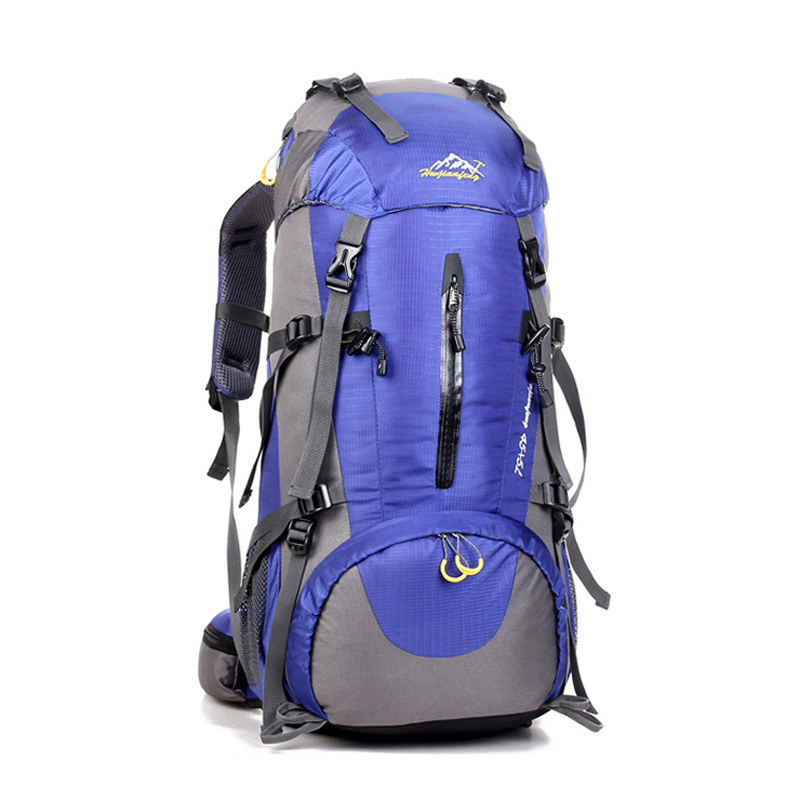
Here’s an SEO-optimized blog post draft for the title:
What to Look for in a Hiking Backpack: A Buyer’s Guide
What to Look for in a Hiking Backpack: A Buyer’s Guide
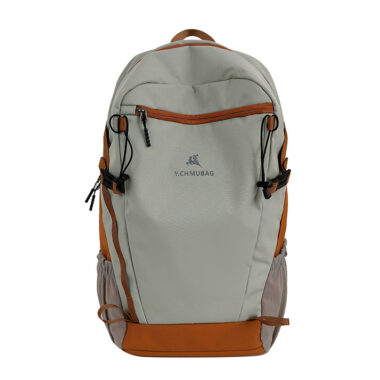
Choosing the right hiking backpack is essential for any outdoor enthusiast. Whether you’re planning day hikes or extended backpacking trips, the right pack can greatly impact your comfort, convenience, and overall experience. This buyer’s guide covers the key factors to consider when selecting the perfect hiking backpack.
1. Capacity: Size Matters
The size of your backpack depends on the length and type of your hikes:
- Daypacks (15–30L): Ideal for short hikes with minimal gear.
- Overnight packs (30–50L): Suitable for 1–2 nights with basic camping gear.
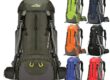
- Multi-day packs (50–80L+): Designed for longer trips requiring more equipment and supplies.
Choosing the right capacity helps prevent overpacking and ensures you carry only what you need.
2. Fit and Comfort
A well-fitted backpack prevents strain and injury:
- Torso length: Adjustable torso length allows a customized fit to your back.
- Hip belt: Transfers weight from your shoulders to your hips, reducing fatigue.
- Shoulder straps and padding: Look for padded, contoured straps that distribute pressure evenly.
- Ventilation: Mesh panels and breathable back systems reduce sweat buildup.
Try on backpacks with weight to test comfort before purchasing.
3. Weight of the Backpack
Lightweight backpacks are easier to carry but may sacrifice durability or features. Balance weight with durability, especially for long-distance hikes. Materials like ripstop nylon or Dyneema offer strength with less weight.
4. Frame Type
- Internal frame: Provides structure and stability, common in hiking backpacks.
- External frame: Offers more ventilation but is bulkier; preferred for heavy loads.
- Frameless: Lightweight and compact but best for light loads.
Choose based on your activity and load requirements.
5. Waterproofing and Weather Resistance
Look for water-resistant fabrics and zippers. Many hiking backpacks include rain covers or have waterproof compartments. This feature is crucial for keeping gear dry during wet conditions.
6. Access and Organization
Multiple compartments, pockets, and attachment points improve organization and accessibility:
- Top-loading or panel-loading: Panel-loading backpacks offer easier access to main compartments.
- Side and front pockets: Convenient for water bottles and quick-access items.
- Hydration compatibility: Some packs include reservoirs and ports for water bladders.
7. Durability
Check the materials, stitching, and hardware. Durable backpacks withstand rough terrain and heavy use. Reinforced areas, heavy-duty zippers, and abrasion-resistant fabric increase longevity.
8. Price and Brand
Invest in reputable brands known for quality hiking gear. While price is important, prioritize durability and features that match your hiking needs.
Conclusion
Selecting the right hiking backpack involves balancing size, fit, comfort, and features tailored to your specific outdoor activities. Taking the time to evaluate these factors ensures your backpack will support you on many adventures to come.
Would you like me to help create a comparison chart or recommend top hiking backpacks based on these criteria?