

✦ Introduction
Creating a line of custom backpacks with your own branding is one of the most effective ways to strengthen brand identity, attract retail buyers, and connect with end users. From school bags to corporate giveaways, the demand for branded backpacks has grown rapidly. But how do you turn an idea into a professional, market-ready product?
This step-by-step guide will walk you through the process of designing backpacks with your own logo, supported by the expertise of a reliable backpack factory and supplier.
✦ 1. Define Your Purpose and Target Market
Before the design process begins, clarify who the backpack is for. Is it intended for students, outdoor enthusiasts, or business professionals? The end user determines size, compartments, and style. A school backpack emphasizes affordability and capacity, while a hiking pack highlights durability and comfort.
By clearly defining your market, you help the manufacturer understand what features to prioritize. This step saves time later in sampling and production.
✦ 2. Choose Fabrics and Materials
The fabric defines both quality and perception. Nylon works best for high-strength outdoor packs, polyester for promotional giveaways, canvas for lifestyle products, and rPET for eco-conscious buyers.
A good backpack supplier can recommend fabric weights, coatings, and finishes to match your goals. Remember, materials also impact price—premium fabrics cost more but deliver higher value in retail markets.
✦ 3. Design Structure and Compartments
Structure separates a generic backpack from a well-designed one. Think about how many compartments are needed, whether to include padded laptop sleeves, water bottle pockets, or hidden zippers.
Sketch your ideas or request CAD drawings from the factory’s design team. Manufacturers with in-house designers can translate concepts into technical specifications that workers can follow during sampling.
✦ 4. Select Branding Options
Branding makes your backpack unique. Common options include:
Embroidery: Long-lasting and premium.
Silkscreen printing: Affordable for logos and graphics.
Heat transfer: Vibrant colors for detailed logos.
Rubber patches: Trendy and durable.
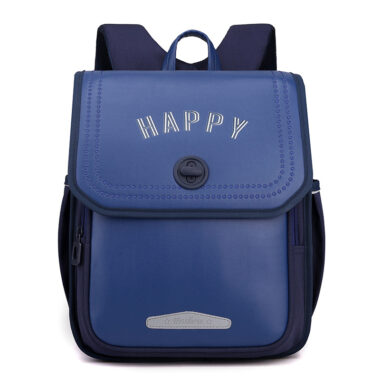
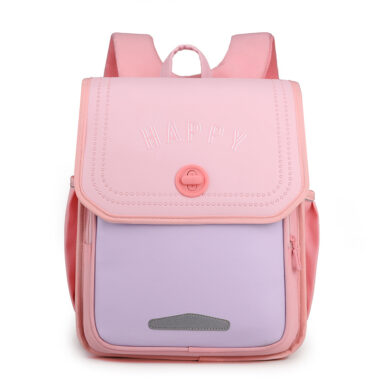
Discuss branding placement with your factory. Logos can appear on the front panel, straps, or even zipper pulls. Branded elements ensure customers remember your product.
✦ 5. Request a Sample
A sample is essential before committing to mass production. Ask your backpack factory to prepare a prototype based on your design specifications. This allows you to test size, comfort, and branding execution.
During this stage, make adjustments: change zipper quality, improve strap padding, or resize compartments. The sampling phase ensures the final bulk order matches your expectations.
✦ 6. Review Quality Standards
High-quality backpacks require strict QC. Set standards with your supplier early:
Stitching strength (minimum tensile requirement).
Colorfastness to avoid fading.
Weight-bearing test for straps and handles.
Smooth operation of zippers.
Factories with internal QC teams can provide reports. Some buyers also arrange third-party inspections before shipment for additional assurance.
✦ 7. Decide on Packaging and Labels
Packaging influences customer experience. Options range from polybags for bulk wholesale to gift boxes for retail branding. Don’t forget labels and barcodes, which are necessary for retail distribution.
A professional backpack manufacturer can print care labels, hang tags, and retail packaging to match your brand identity. This step completes the product and prepares it for shipment.
✦ 8. Confirm MOQ, Pricing, and Lead Time
Finalize order details with your supplier:
MOQ: Flexible factories may allow small trial runs.
Pricing: Understand cost breakdowns for transparency.
Lead time: Ensure schedules fit your business plan.
Reliable factories communicate clearly about these terms and provide written contracts to avoid misunderstandings.
✦ 9. Monitor Production and Delivery
Once bulk production begins, maintain regular communication with your supplier. Weekly updates help track progress. Confirm logistics terms—FOB, CIF, or DDP—depending on your shipping needs.
Trustworthy factories coordinate export documents, customs clearance, and packaging tests to ensure goods arrive safely and on time.
✦ Conclusion
Designing branded backpacks with your own logo is a rewarding process that requires planning, clear communication, and the right partners. By defining your target market, selecting fabrics, designing structure, choosing branding methods, and ensuring quality through sampling, you can create a backpack line that represents your brand effectively.
With the support of a reliable backpack factory or supplier, your vision can be transformed into a product that meets both functional demands and marketing goals. Whether for wholesale, retail, or promotional use, custom backpacks are a proven way to expand brand visibility in today’s competitive market.