

Here’s a Google SEO–optimized blog post draft for the title:
How to Pack Your Backpack for a Weekend Hiking Trip
How to Pack Your Backpack for a Weekend Hiking Trip
Packing the right gear in your backpack is essential for a successful and enjoyable weekend hiking trip. Whether you’re a beginner or an experienced hiker, knowing how to organize and pack efficiently can make your adventure more comfortable and stress-free. This guide will walk you through the best practices for packing your backpack to maximize space, balance weight, and ensure quick access to essentials.
Step 1: Choose the Right Backpack
For a weekend trip, a backpack with a capacity between 40 to 60 liters is ideal. This size provides enough room for clothing, food, and gear without becoming too heavy or bulky. Make sure your backpack has padded shoulder straps, a supportive hip belt, and adjustable torso length for comfort.
Step 2: Lay Out Your Gear
Before packing, organize all your gear. Separate items into categories such as clothing, food, sleeping gear, cooking equipment, and emergency supplies. This helps you visualize what you need and avoid overpacking.
Step 3: Pack the Heavy Items Close to Your Back
Place heavy items like your tent, stove, food, and water close to your back and centered in the backpack. This helps maintain your balance and reduces strain on your shoulders.
Step 4: Use the Bottom Compartment for Sleeping Gear
Store your sleeping bag and sleeping pad at the bottom of your backpack. These items are lightweight but bulky, so placing them at the base helps stabilize the pack.
Step 5: Fill the Middle Section with Clothing and Food
Layer clothing, extra socks, rain gear, and your food supplies in the middle section. Use compression bags or packing cubes to organize and reduce the volume of your clothing.
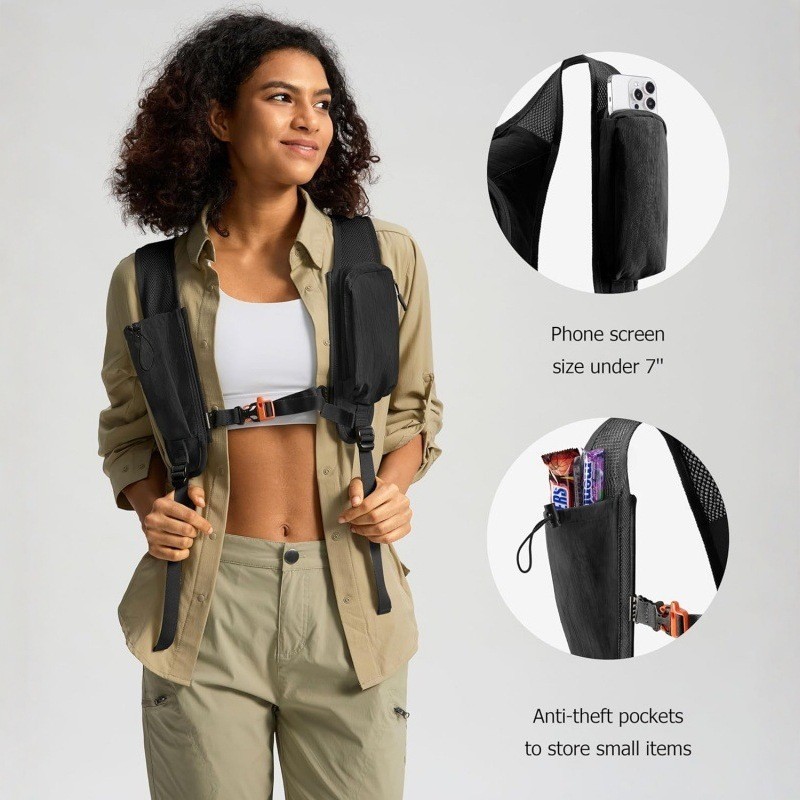
Step 6: Keep Frequently Used Items on Top or in External Pockets
Items like your map, first aid kit, snacks, sunscreen, and a rain jacket should be easy to reach. Store them in the top compartment or external pockets for quick access during your hike.
Step 7: Use External Straps and Loops for Bulky Gear
Attach bulky or wet gear such as trekking poles, a sleeping pad, or a rain cover to the backpack’s external straps. This frees up internal space and keeps your pack organized.
Step 8: Balance the Load Evenly
Make sure weight is evenly distributed between the left and right sides to prevent discomfort or injury. Adjust straps and hip belts to secure the load and improve comfort.
Bonus Tips:
- Waterproof your pack: Use rain covers or pack items in dry bags to protect against unexpected rain.
- Pack light: Only bring what you truly need to avoid unnecessary weight.
- Test your pack: Try carrying your loaded backpack for a short walk before the trip to check comfort.
Conclusion
Properly packing your backpack is key to a smooth and enjoyable weekend hiking trip. By organizing your gear efficiently and balancing the load, you’ll stay comfortable and prepared for any challenge on the trail. Follow these steps and tips to get ready for your next outdoor adventure with confidence.
Would you like me to include a checklist or packing list template to help your readers prepare?